


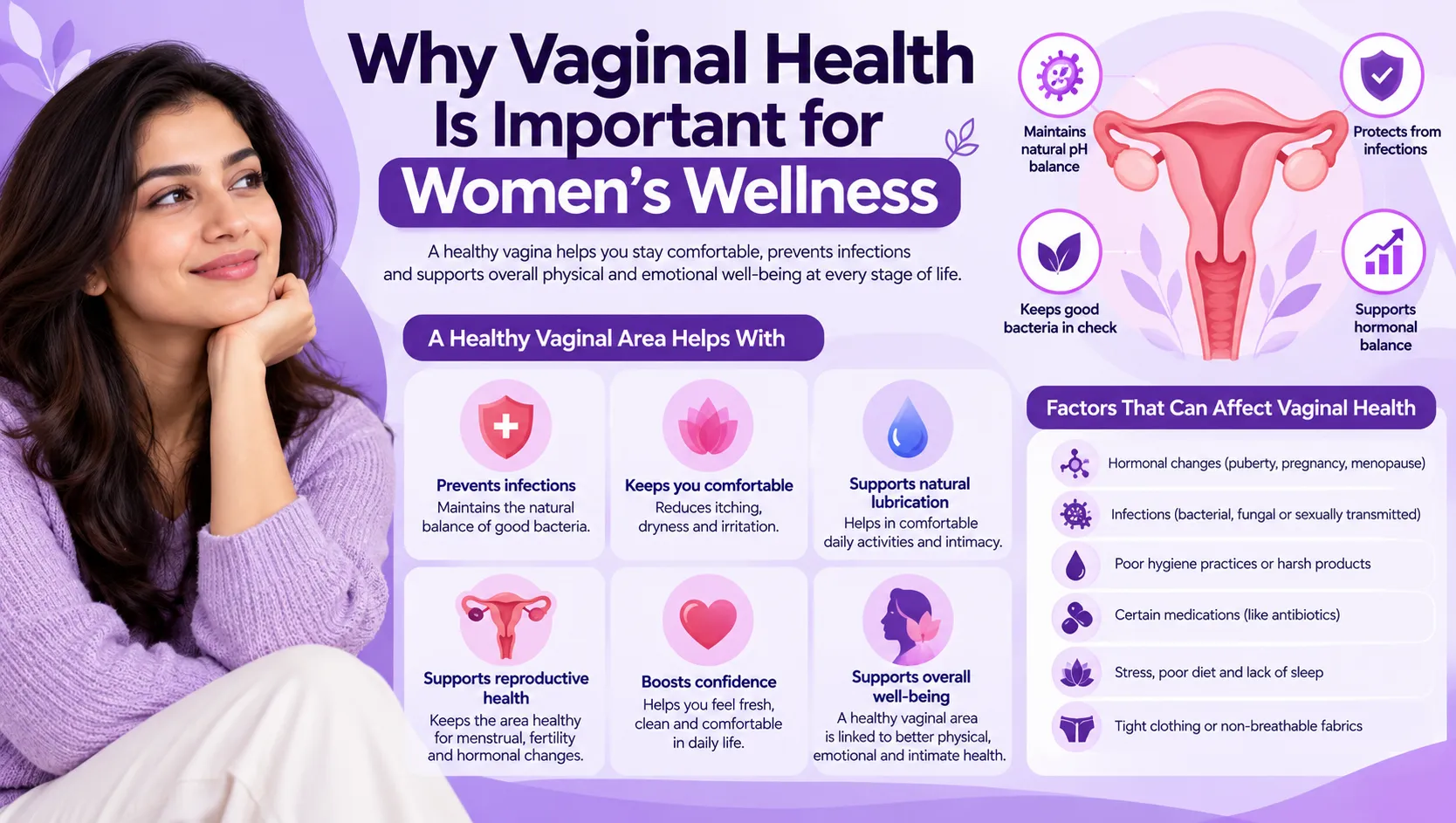
Why Vaginal Health Is Important for Overall Women’s Wellness
Vaginal health is considered one of the most important parts of a woman's health; however, due to shyness or lack of knowledge, women are reluctant to talk about the problems connected with their bodies. Abnormal discharge, dryness of the vagina, and infections are just some of the problems that affect the health of women.
Vaginal health means not only the process of keeping yourself clean but also knowing your body and understanding how to behave in case of any abnormalities in the work of the body. In our blog, we are going to discuss why you should pay attention to your vaginal health and its problems.
What Is Vaginal Health?
Vaginal health refers to the natural balance and normal functioning of the vagina and surrounding vulval tissues. The vagina has a naturally acidic environment, maintained in part by beneficial bacteria called Lactobacilli. These bacteria help limit the growth of harmful microorganisms and support a healthy vaginal environment.
Vaginal discharge is also a normal part of vaginal health, as it helps keep the vagina clean and lubricated. Its colour, consistency, and amount may change throughout the menstrual cycle and during different life stages, including pregnancy and menopause. However, discharge accompanied by a strong or unusual odour, itching, irritation, or discomfort may indicate an underlying issue. If these symptoms persist or are unusual for you, consult a healthcare professional for proper evaluation and guidance.
Why Is Vaginal Health Important for Women's Wellness?
1. Maintains a Healthy Vaginal pH Balance
The vagina naturally contains beneficial bacteria that help maintain its acidic environment and limit the growth of harmful microorganisms. When this balance is disrupted, it may contribute to conditions such as bacterial vaginosis or other vaginal infections.
Maintaining vaginal health starts with gentle external hygiene. Avoid douching, harsh soaps, and scented intimate products, as these can irritate sensitive tissues and disturb the vagina’s natural balance. The vagina is self-cleaning, so internal washing is not necessary.
2. Supports Reproductive and Sexual Health
Vaginal health plays an important role in sexual comfort and reproductive well-being. Infections and irritation may cause discomfort during intercourse, unusual discharge, or other symptoms that can affect intimate relationships. Certain untreated infections may also lead to reproductive complications, depending on their cause.
Pregnancy and childbirth can bring physical changes that affect a woman's confidence and body image. Women interested in addressing selected post-pregnancy body changes may explore mommy makeover surgery to learn about the procedures that may be suitable for their individual goals.
If you experience persistent irritation, unusual discharge, or pain during intercourse, consult a healthcare professional to identify the cause and receive appropriate treatment.
3. Helps Identify Hormonal Changes
Hormonal fluctuations during menstruation, pregnancy, breastfeeding, and menopause can affect vaginal moisture, sensitivity, and tissue elasticity. For example, declining oestrogen levels during menopause may contribute to vaginal dryness, burning, irritation, and discomfort during intercourse.
Some women may also experience vaginal laxity or changes in intimate comfort after childbirth. If this is a concern, learning about vaginal tightening options and consulting a qualified professional can help you understand which treatments, if any, may be appropriate for your needs.
However, vaginal dryness and irritation can have several causes, so persistent symptoms should be assessed by a healthcare professional rather than assumed to be age-related.
4. Improves Comfort and Quality of Life
Symptoms such as itching, unusual discharge, dryness, and irritation can affect daily comfort, confidence, and emotional well-being. Concerns about vaginal odour or discomfort during intimate activities may also cause unnecessary worry.
Understanding what is normal for your body can help you recognise unusual changes and seek medical advice when needed. Practising gentle hygiene and getting persistent symptoms evaluated can support intimate wellness and help prevent avoidable discomfort from affecting your quality of life.
Common Vaginal Health Problems Women Should Know About
Several conditions can affect vaginal health, and their symptoms may sometimes overlap.
- Vaginal yeast infection: May cause intense itching, irritation, redness, and thick, white discharge.
- Bacterial vaginosis: Can cause thin discharge and a noticeable fishy odour.
- Vaginal dryness: May occur because of hormonal changes, certain medications, or other factors.
- Sexually transmitted infections: Some can cause unusual discharge, pain, sores, or burning, while others may have no noticeable symptoms.
- Vulval irritation: Fragranced products, detergents, tight clothing, or skin conditions may cause itching and discomfort.
These symptoms cannot always be diagnosed by appearance alone. Avoid repeatedly using over-the-counter treatments without identifying the underlying cause, particularly if symptoms keep returning.
How to Maintain Good Vaginal Health
Simple changes in your daily routine may alleviate the symptoms of vaginitis and keep your intimate area clean.
Gentle Intimate Hygiene
Wash the external vulval area with water or a mild, fragrance-free cleanser. The vagina cleans itself and therefore doesn’t need to be washed and douched.
Breathable Underwear
Wear breathable underwear and make sure to change out of wet swimsuits and sweaty clothes to reduce irritation.
Safer Sex
Proper use of male or female condoms can reduce the risk of sexually transmitted infections. It’s important to get tested based on your health practitioner’s recommendation.
Intimate Products
Fragrances and scented products, deodorant sprays and vaginal perfumes, as well as other home remedies can irritate the tissues of the vagina and vulva. A vagina doesn’t need to smell like a flower.
Medical Help
If you have recurring infections, are having painful intercourse, if your discharge has changed, is abnormal, or is unusual in amount, is dried up or is of a consistency that is of concern to you, you should visit your doctor.
When Should You Consult a Doctor?
Consider a medical consultation if you experience persistent itching, burning, unusual discharge, a strong or unfamiliar odour, pain during intercourse, or repeated urinary symptoms.
Seek prompt medical attention for fever with pelvic pain, severe lower abdominal pain, unexplained bleeding, or significant symptoms during pregnancy. Bleeding after menopause should always be assessed.
A proper examination and, when needed, laboratory testing can help distinguish between infections, hormonal changes, skin conditions, and other causes.
Conclusion
Maintaining vaginal health is an important part of a woman’s overall well-being, comfort, and quality of life. Understanding normal vaginal changes, following proper intimate hygiene practices, and recognising unusual symptoms can help women seek timely care. Rather than ignoring symptoms or self-treating, it is important to consult a qualified medical professional to identify the underlying cause and receive appropriate guidance.
Dr. Preeti Yadav, a plastic surgeon in Gurgaon, can help address your concerns about intimate wellness and guide you towards suitable treatment options based on your individual needs. If you have questions about intimate health or are considering a procedure, you can book a consultation through her website.
Frequently Asked Questions
1. How often should I wash my intimate area?
Wash the external genital area gently with lukewarm water. Avoid harsh soaps, scented products, and scrubbing, as these may cause irritation. The vagina cleans itself naturally, so internal washing is unnecessary.
2. Can vaginal health be affected by everyday habits?
Yes. Tight or damp clothing, scented intimate products, unnecessary antibiotics, and vaginal douching may contribute to irritation or disrupt the natural vaginal environment. Gentle hygiene and breathable underwear can help support intimate health.
3. What causes vaginal itching or irritation?
Vaginal itching may be caused by yeast infections, skin irritation, allergic reactions, or other infections. If itching persists or occurs with unusual discharge, odour, or pain, consult a healthcare professional rather than self-treating.
4. What does a change in vaginal discharge mean?
Changes in discharge may occur due to hormonal fluctuations throughout the menstrual cycle. However, discharge that develops an unusual colour or smell, or occurs with itching, burning, or pelvic pain, may indicate an infection or another condition that needs evaluation.
5. Can stress affect vaginal health?
Stress may influence hormonal patterns, sexual comfort, and the body's response to discomfort. However, persistent vaginal symptoms should not automatically be attributed to stress and may need medical assessment.
6. Is vaginal odour normal?
A mild, natural vaginal odour is normal and may vary during the menstrual cycle. A sudden, strong or fishy odour, especially with unusual discharge or irritation, may indicate an infection and should be evaluated.
7. Can vaginal infections go away without treatment?
Some symptoms may improve on their own, but many infections require appropriate treatment. The right treatment depends on the cause, so avoid using home remedies or medication without proper guidance if symptoms persist or recur.
8. Does sexual activity affect vaginal health?
Sexual activity may sometimes cause temporary irritation or changes in vaginal comfort. Unprotected sex can also increase the risk of sexually transmitted infections, so barrier protection and appropriate testing are important when relevant.
9. Can vaginal dryness occur before menopause?
Yes. Vaginal dryness can occur at different stages of life due to hormonal changes, certain medications, breastfeeding, or other factors. Persistent dryness or discomfort during intercourse can be discussed with a healthcare professional.
10. Can vaginal health problems be prevented completely?
Not all vaginal health problems can be prevented, but gentle external hygiene, avoiding douching and scented products, practising safer sex, and seeking timely medical care can help reduce certain risks and support vaginal health.