

Laser Vaginal Tightening: Procedure, Benefits, Risks & Recovery
Laser vaginal tightening is a procedure marketed as a non-surgical approach to vaginal rejuvenation. It uses energy from a laser device to heat selected vaginal tissues. The treatment is promoted for concerns such as vaginal laxity and changes in tissue elasticity, but its effectiveness and long-term safety are not yet established by strong clinical evidence.
Pregnancy, childbirth, hormonal changes and ageing can influence vaginal and pelvic floor health. Some women experience changes in vaginal support, dryness or discomfort and explore different treatment options.
Understanding how laser vaginal tightening works, its potential benefits, limitations and risks is important before considering the procedure. In this guide, Dr. Preeti Yadav explains the laser vaginal tightening process and the medical considerations women should understand before choosing treatment.
What Is Laser Vaginal Tightening?
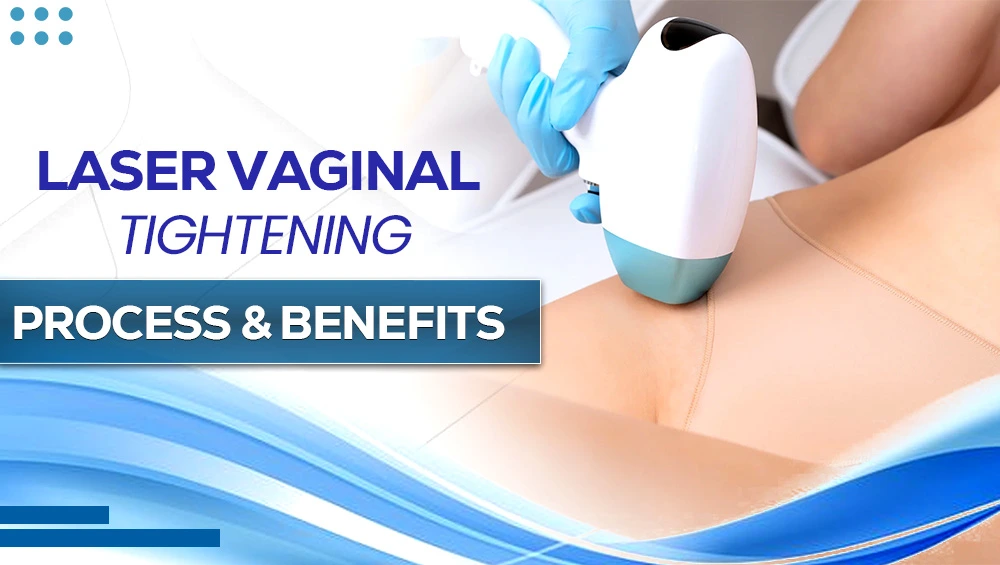
Laser vaginal tightening is an energy-based procedure that uses a specialized laser device to deliver controlled energy to vaginal tissues. Depending on the device, the laser may produce thermal effects in selected tissue layers. These effects are intended to stimulate tissue responses, including collagen remodelling.
The procedure is marketed as a non-surgical vaginal rejuvenation treatment. However, it is important to understand that the available clinical evidence does not establish laser treatment as a proven method for reliably tightening vaginal tissues or improving sexual function.
Laser vaginal tightening should also be distinguished from surgical vaginoplasty, which involves an operation to repair or alter selected vaginal tissues and supporting structures.
Why Do Women Explore Vaginal Rejuvenation?
Women may notice changes in their vaginal or pelvic floor health at different stages of life.
Some common concerns include:
1. Changes After Childbirth
Pregnancy and vaginal delivery can affect pelvic floor muscles and the surrounding tissues. Some women experience a feeling of vaginal laxity or changes in pelvic support after childbirth. These symptoms may have different underlying causes, so a medical evaluation is important before selecting a treatment.
2. Ageing and Hormonal Changes
Hormonal changes, particularly during menopause, can contribute to vaginal dryness, irritation, reduced tissue elasticity and discomfort. These symptoms may be associated with genitourinary syndrome of menopause and can require specific medical management.
3. Vaginal Laxity Concerns
Some women report a feeling of looseness or changes in vaginal support. The underlying cause may involve pelvic floor muscle function, childbirth-related tissue changes or other anatomical factors. Treatment should be based on an appropriate assessment.
4. Intimate Wellness Concerns
Changes in vaginal comfort, dryness or sexual function can affect quality of life. However, these concerns are not necessarily caused by vaginal laxity, and laser treatment is not an established solution for every symptom.
How Does Laser Vaginal Tightening Work?
Laser vaginal tightening uses an energy-based device designed to deliver controlled thermal energy to selected tissues.
The general process may involve the following steps:
1. Consultation and Assessment
The healthcare professional discusses the patient's symptoms, medical history, expectations and treatment goals. An appropriate examination may be recommended to identify the underlying concern and determine whether other treatment options are more suitable.
2. Preparation
If treatment is being considered, the healthcare professional explains the device, treatment method, possible discomfort and potential complications. The manufacturer's instructions and the device's approved or registered indications should be reviewed.
3. Laser Energy Application
Depending on the device, a specialized applicator may be used to deliver laser energy to selected vaginal tissues. Different devices use different wavelengths and treatment mechanisms, so the procedure is not identical across all laser systems.
4. Post-Treatment Guidance
After treatment, patients should receive instructions regarding hygiene, physical activities, follow-up and symptoms that require medical attention. The exact process and aftercare depend on the device and clinical circumstances.
What Are the Potential Benefits of Laser Vaginal Tightening?
Laser vaginal tightening is marketed for several vaginal rejuvenation concerns. However, potential benefits should be distinguished from outcomes that have been scientifically established.
Some of the intended treatment goals include:
-
Tissue remodelling: Laser energy is intended to produce controlled thermal effects and stimulate tissue responses.
-
Non-surgical approach: The procedure does not involve the same surgical steps as vaginoplasty.
-
Treatment convenience: Some devices are designed for outpatient treatment.
-
Individualized assessment: The healthcare professional can evaluate the patient's symptoms and discuss available alternatives.
However, reliable improvements in vaginal tightness, lubrication, sexual satisfaction or urinary symptoms have not been conclusively established. Women should not be promised guaranteed results or permanent changes.
Is Laser Vaginal Tightening Safe?
Laser vaginal tightening is not risk-free simply because it is marketed as a non-surgical procedure.
Potential complications of energy-based vaginal treatments include:
-
Vaginal burns
-
Scarring
-
Pain or persistent discomfort
-
Pain during sexual activity
-
Irritation or tissue injury
-
Changes in vaginal sensation
The American College of Obstetricians and Gynecologists (ACOG) highlights concerns about the safety and effectiveness of energy-based vaginal rejuvenation procedures. The evidence supporting these treatments remains limited, particularly regarding long-term outcomes.
Before considering treatment, patients should discuss the device being used, its regulatory status for the intended indication, clinical evidence and alternative options with a qualified healthcare professional.
What Is the Recovery Time After Laser Vaginal Tightening?
Recovery depends on the device, treatment technique and individual response. Some patients may experience temporary discomfort, irritation or spotting. However, recovery should not automatically be described as having no downtime.
Patients should:
-
Follow the healthcare professional's aftercare instructions.
-
Avoid activities or vaginal insertion as advised.
-
Attend recommended follow-up appointments.
-
Report increasing pain, unusual discharge, fever or significant bleeding.
-
Seek medical advice if symptoms persist or worsen.
There is no universal recovery timeline applicable to every laser device or patient.
Laser Vaginal Tightening vs Surgical Vaginoplasty
Laser vaginal tightening and surgical vaginoplasty are different procedures.
Neither option is suitable for every woman. The correct approach depends on the underlying concern and a clinical assessment.
What Are the Alternatives to Laser Vaginal Tightening?
Depending on the reason for seeking vaginal rejuvenation, other approaches may be more appropriate.
1. Pelvic Floor Physiotherapy
Pelvic floor physiotherapy can help women with selected pelvic floor muscle concerns. A trained physiotherapist can assess muscle function and recommend individualized exercises or rehabilitation.
2. Medical Treatment for Vaginal Dryness
Vaginal moisturizers, lubricants and prescribed treatments may help manage dryness and discomfort. Women experiencing menopausal symptoms should discuss appropriate treatment options with their healthcare provider.
3. Surgical Vaginoplasty
In selected cases involving anatomical or tissue-support concerns, surgical vaginoplasty may be discussed after an individualized assessment. It involves different risks and recovery requirements from laser treatment.
4. Treatment of Underlying Medical Conditions
Vaginal discomfort, urinary leakage and sexual pain may have different causes. Treating the underlying condition is often more appropriate than pursuing a general vaginal rejuvenation procedure.
Who Should Consider a Vaginal Rejuvenation Consultation?
Women experiencing persistent concerns involving vaginal comfort, pelvic floor function or changes after childbirth may benefit from a medical consultation.
A healthcare professional can help assess:
-
Vaginal laxity or changes in tissue support
-
Pelvic floor muscle concerns
-
Vaginal dryness or irritation
-
Discomfort during intimacy
-
Changes following childbirth
-
Appropriate surgical and non-surgical alternatives
A consultation does not mean that a procedure is necessary. In many cases, non-surgical medical management may be more appropriate.
Consultation with Dr. Preeti Yadav
Women exploring vaginal tightening and genital rejuvenation options can discuss their concerns with Dr. Preeti Yadav at Konarc Aesthetics. During a consultation, patients can discuss their medical history, symptoms, expectations and available treatment approaches. It is important to understand the potential limitations, risks, clinical evidence and alternatives before deciding on an elective procedure.
Considering vaginal rejuvenation? Schedule a private consultation with Dr. Preeti Yadav to discuss your concerns and understand the treatment options that may be appropriate for you.
Frequently Asked Questions About Laser Vaginal Tightening
1. What is laser vaginal tightening?
Laser vaginal tightening is an energy-based procedure that uses laser energy to heat selected vaginal tissues. It is marketed as a non-surgical vaginal rejuvenation treatment, but its effectiveness for reliably tightening vaginal tissues has not been conclusively established.
2. How does laser vaginal rejuvenation work?
The procedure uses a specialized device to deliver controlled laser energy to selected vaginal tissues. The intended mechanism involves thermal effects and tissue remodelling.
3. Does laser vaginal tightening really work?
Clinical evidence remains limited and does not establish reliable or long-term vaginal tightening benefits. Patients should understand the evidence and limitations before considering treatment.
4. Is laser vaginal tightening painful?
The experience varies depending on the device, treatment method and individual sensitivity. Some patients may experience discomfort, irritation or pain. The healthcare professional should explain what to expect.
5. What are the side effects of laser vaginal tightening?
Potential complications include burns, scarring, vaginal pain, discomfort during sexual activity and tissue injury. Long-term safety data remain limited.
6. How long does recovery after laser vaginal tightening take?
Recovery varies depending on the device and treatment. Patients should follow individualized aftercare instructions rather than relying on a universal recovery timeline.
7. Is laser vaginal tightening the same as vaginoplasty?
No. Laser vaginal tightening uses energy-based treatment, whereas vaginoplasty is a surgical procedure involving the repair or alteration of selected vaginal tissues.
8. Can vaginal tightening improve sexual satisfaction?
Sexual satisfaction depends on several physical, psychological and relationship-related factors. Laser vaginal tightening has not been proven to reliably improve sexual satisfaction.
9. Is vaginal rejuvenation suitable for everyone?
No. Treatment suitability depends on the individual's symptoms, medical history and underlying condition. Some concerns may be better managed with pelvic floor physiotherapy or other medical treatments.
10. Who should I consult for vaginal rejuvenation in Gurgaon?
Women can arrange a consultation with an appropriately qualified healthcare professional to discuss vaginal health concerns, available treatment options and their potential risks and benefits.