


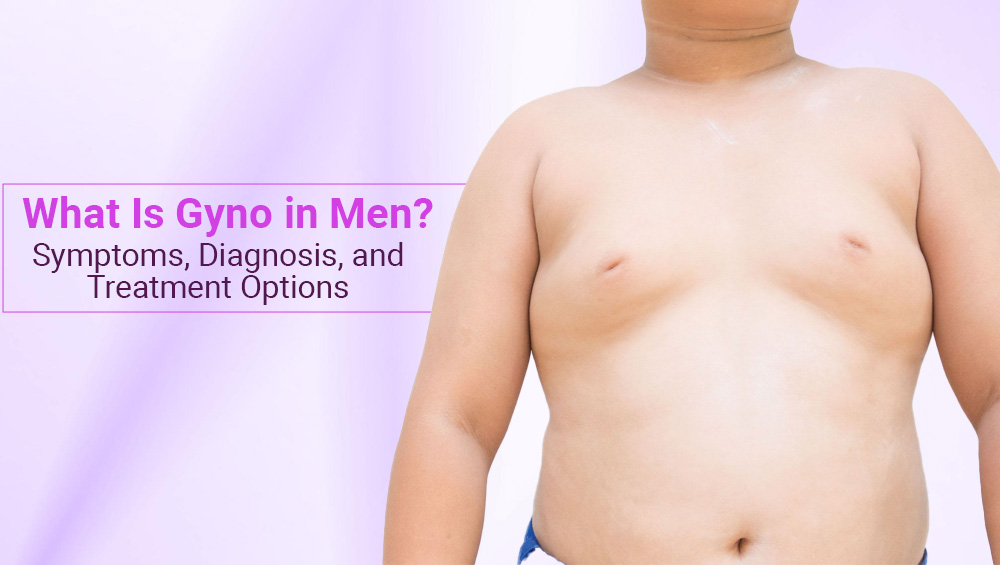
What Is Gyno in Men? Symptoms, Diagnosis & Treatment Options
Gynaecomastia (Gyno) is a condition that is common among men but is not often talked about. A lot of men experience excess chest tissue or even puffy nipples. It is important to note that gyno is completely treatable.
To identify the root cause of the problem is important to provide the best treatment as It doesn't matter if the symptoms first appear in adolescence or later on.
Dr. Preeti is a highly respected cosmetic and plastic surgeon in Gurgaon. She covers basically everything concerning gyno from explaining the symptoms, the various methods of diagnosis to the best possible treatment for achieving a flat, contoured masculine chest.
What is gyno (gynecomastia)?
Gynecomastia is the growth of non-cancerous breast glandular tissue in men as men grow breast tissue due to a hormonal imbalance. The condition may present as a lump localized under the breast or nipple. The overgrowth can be mild, severe or painful. Although breast overgrowth when severe is not a dangerous condition, breast overgrowth does have serious psychological effects due to body image issues.
Pseudogynecomastia is different from true gynecomastia; both are caused by excess fatty tissue. The difference can be easily defined by a qualified cosmetic surgeon.
What causes gyno in men?
Gynecomastia can develop when testosterone and estrogen are in imbalance. Testosterone maintains male characteristics like muscle mass while estrogen promotes the growth of breast tissue. The chest can look bigger or puffier when estrogen levels increase or testosterone levels decrease.
The most common causes are:
- Gyno may appear at any age due to hormonal fluctuations or during puberty. middle-aged and older men as testosterone naturally decreases.
- Changes in hormones: Testosterone levels dropping or estrogen levels increasing.
- Medications: Anti-androgens, some antidepressants and certain antibiotics.
- Use of anabolic steroids: These are used by athletes and bodybuilders.
- Obesity: Pack on the pounds and more estrogen and chest fat get made.
- Other medical issues: Disorders of the thyroid, liver or kidney disease and hormone-making tumours.
Symptoms of Gynecomastia
Gyno may develop slowly, and symptoms range from mild to more apparent changes. Finding the signs early can assist you in taking early action.
Common symptoms are:
- Increased breast tissue: Visible enlargement of one or both breasts at times providing a "puffy" look.
- Hard lumps under the nipple: Typically button-sized, these lumps are typically the first indication of gynecomastia.
- Tenderness or pain: The site can be sensitive or tender to the touch particularly with physical activity or upon pressing the breast.
- Asymmetry: One breast is larger than the other and the extent can change over time.
- Skin changes: The areola or nipple in some instances will seem stretched or swollen which can be more apparent with constrictive clothing.
What You Should Do If You Notice Symptoms
Things You Should Get If You See Symptoms
If you see any of those symptoms, it makes sense to do something:
- Get a checkup: You need a thorough checkup to rule out worse situations, for instance, male breast cancer as symptoms can sometimes look the same.
- Be aware of the minor situations: With teens or young men, slight gynecomastia can improve on its own after a few months as hormonal balances equalize.
- Discuss treatment options: If the issue is persistent, affects your self-esteem, your General Practitioner can help you on the right options.
How doctors diagnose gyno step by step
Diagnosis starts with a physical examination and a history talk with your doctor about your medical history, such as any drugs or vitamins you are taking. Your doctor might suggest:
- Hormone tests to measure testosterone and estrogen levels.
- Liver and thyroid function tests to exclude systemic etiologies.
- Ultrasound imaging to verify whether glandular tissue is present.
- Endocrinology referral if a hormonal imbalance is suspected.
Treatment Options for Gyno in Men
The treatment for gyno in men is determined by the underlying causes and level of severity of the condition. In certain situations, breast tissue may reduce on its own, particularly when there are hormonal changes or during puberty stage.
Lifestyle and Medication
If gynecomastia is a consequence of certain drugs or personal habits, your doctor may suggest stopping the medication but that will always be done with medical supervision. That will also include managing the other issues which could be obesity or other hormonal problems. Regular physical activities, controlling your body weight and steering clear of anabolic steroids would help in controlling the condition and its aggravating factors.
Hormonal Therapy
The symptoms of gynecomastia may arise from an imbalance of estrogen and testosterone in some instances and in such instances, hormone therapy is prescribed in an attempt to restore the body to a balanced state. This is a far more effective solution when the problem is identified early on and the glandular tissue is still in the early stages of full development.
Gynecomastia Surgery
When other treatments have been attempted and there is still glandular tissue or fat deposits remaining, there is still an option of gynecomastia surgery which can have a permanent and safe outcome. This involves the removal of excess fat and glandular tissue from the chest to restore a flat, masculine contour to the chest. This surgical procedure is carried out most often under general or local anesthesia and has a quick recovery time.
Post-Treatment Care and Results
When treatment is over, we recommend compression garments for a few weeks for healing and to help with swelling. If you maintain a balanced lifestyle and your weight is fairly stable, your results will last. Most men after treatment feel much more confident and have no issues wearing tighter clothing.
Why Choose Dr. Preeti Yadav
Dr. Preeti Yadav is considered the top gynecomastia treatment consultant in Gurgaon. She helped thousands of men over the past 15 years and with her experience, she can easily give male chest contours.
What makes her unique is not only her experience but also the detail she provides for every patient from the consultation to pre- and post-op instructions and care. She is with the patient every step of the way.
Choosing Dr. Preeti Yadav means picking someone with experience and skill and most importantly, compassion. She cares for her patients ' self-esteem and mental health, while also focusing on the safety and quality of the results.
Regain confidence with expert care
Having gyno is annoying and it can change how you see yourself too. The good news is it can be taken care of safely and effectively You can reshape your chest and regain your self-esteem with proper guidance.
Dr. Preeti Yadav is the best cosmetic surgeon in Gurgaon. She offers personalized consultations where she patiently hears your issues explains all the options in detail and chooses the plan that is the safest for you. Her expertise and patient-first approach guarantee natural and lasting results with less recovery time.
Book Dr. Preeti Yadav’s consultation today if you are considering getting help with gyno and start your journey to a self-assured you.
FAQs for Gynecomastia Surgery
Does puberty gyno go away?
Yes, in many boys it subsides naturally within a year but persistent swelling beyond that should be examined.
Q. Can steroids cause gyno?
Ans. Absolutely. Anabolic steroids disturb hormone balance, leading to breast tissue growth.
Q. Is liposuction enough?
Ans. Only if the issue is fat-dominant. True gland tissue needs excision for permanent results.
Q. When can I exercise again?
Ans. Light activity after 2 weeks and full workouts after about 6 weeks, depending on healing.