


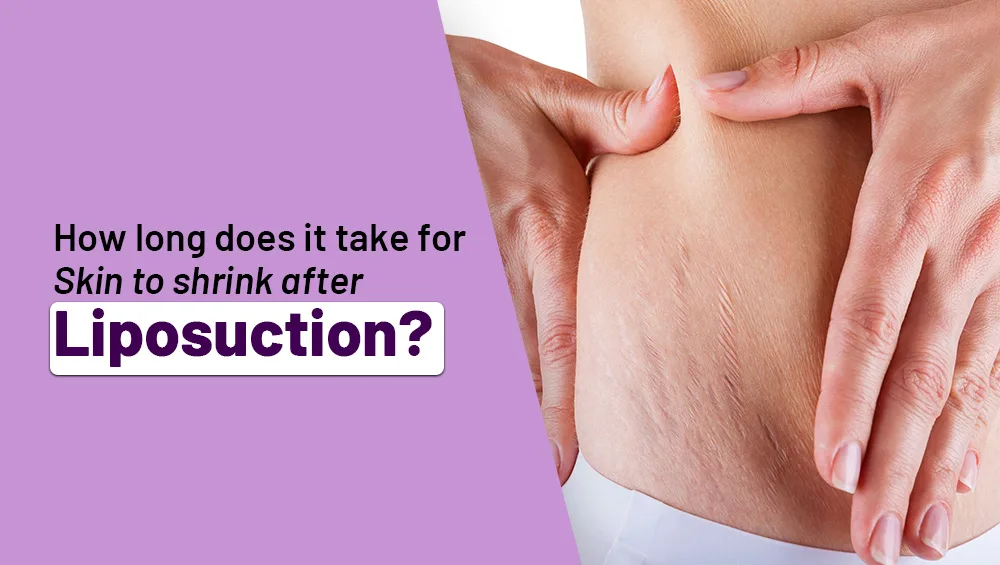
How Long Does It Take For Skin To Shrink After Liposuction?
Skin retraction following liposuction occurs incrementally, commencing with subtle retraction observed several weeks post-operatively, with progressively clearer definition developing over the ensuing months, and definitive results manifesting by approximately twelve months. Edema typically resolves substantially within the initial weeks, enabling the underlying silhouette to emerge. Notably, the intrinsic elasticity of the dermis and the total adipose volume excised are pivotal determinants of the extent and uniformity of dermal pan retraction and contour adaptation.
What Happens to the Skin After Liposuction?
Liposuction is the preferred contemporary solution when sculpting the desired physique because of its promise of giving the patient a more aesthetically sculpted body along with a smooth skin surface.
As skin tightening works in a process, there are a bunch of different factors that can either quicken the process or slow it down, these factors are skin or body elasticity, and age among others.
The skin is significantly looser on the body immediately after surgery considering the fat pockets have also been excised. The skin does tend to shrink instantly after some time. From the details provided in this guide and the aforementioned factors, it can be estimated that the path of skin tightening can be achieved anywhere from there weeks to a maximum of five months.
Skin alterations from liposuction can take place over time, allowing for wrinkles to appear along with tightening. Although some swelling and fluid retention might lead your skin to appear loose temporarily, with the passage of time, the liposuction surgery will set and the changing skin surface along with collagen production will ensure that over a period of one to three months, your skin will no longer look like loose cloth that is ready to hang.
Skin retraction along with boosting of collagen will ensure that upto 3 months, all visible signs of looseness are gone. With the body still in recovery mode, the skin will start appearing tighter now while preparing for the body’s three to six month window. During the body's heal time of 3 to 6 months, the skin return to its base metabolism along with visible signs of tightening becoming much more rigorously apparent.
6-12 months: The skin is at its peak level of firmness, the best possible result is achieved, and the final outcome is visible.
Components That Affect Skin After Liposuction
Several elements can affect the speed and effectiveness of skin tightening following the procedure:
Skin Elasticity
The flexibility of the skin, which relies on two factors: age, genetics, and collagen levels. Younger people with an average relative collagen production will experience improvements to their skin at a higher pace.
Amount of Fat Removed
If the procedure involves a smaller-than-usual allowance of fat, the skin tightens much easier. On the other hand, a more-than-average allowance of fat will lead to slower skin tightness or a full failure to retract.
Age
When we grow older, collagen and elastin projecting reduce leading to lowered ability of the skin to bounce back after fat pulling. Younger patients (under 40) tend to have enhanced retraction of skin compared to older patients.
Location of Liposuction
The abdomen, thighs, and upper arms are areas where skin can be losely attached, so compared to the back or flanks, they are slower to tighten comparable areas with tighter skins.
Post Liposuction Care
The skin will minimally depend on level of skin contraction which is provided by proper post operative care. Compression garments, hydration and a socially active lifestyle can all aid contraction of the skin.
How to Make Skin Tightening After Liposuction More Effective ?
Even though liposuction skin tightening happens automatically, one can take some measures to aid and enhance the process. Here are the approaches one can take.
1. Wear a Compression Garment After the Surgery
Post-operative compression garments are very helpful in controlling swelling, supporting the skin, and molding it to the new contours of the body. Most liposuction surgeons advise these garments to be worn for at least 6 to 8 weeks. Compression garments can help in skin contraction which happens naturally.
2. Drink More Water
Good hydration and drinking a good amount of water can aid a person’s health in many ways, and for the skin’s elasticity, drinking two to three liters of daily water intake can help a lot.
3. Collagen-Enriched Diet
A balanced diet is critical for skin recovery. Consumption of collagen foods such as fish, eggs, and green leafy vegetables can help in skin recovery. Striking down on excess sugar and refined carbohydrates can directly help control the collagen levels and skin health.
4. Begin Exercising After You Heal
Following liposuction, exercise significantly tightens the skin. After four to six weeks, you can begin to take light walks, and you may find it beneficial to begin to walk. Along with walking, strength training is also beneficial as it tones the muscles and enhances skin contraction.
5. Consider Treatments that Tighten the Skin
There are also other non-invasive skin tightening methods that stimulate collagen production called RF treatments. They are as follows:
- Thermal RF: Tightens and sculpts skin by stimulating collagen production.
- Ultrasound Skin Tightening: Uses heat energy to tighten and tone skin.
- Laser Skin Tightening: Contours collagen to reduce skin surface roughness, giving a youthful appearance.
6. Massage and Lymphatic Drainage
Post liposuction, gentle massage techniques can help with skin tightening, decrease swelling, increase circulation and retraction. Lymphatic drainage is the most effective to help heal the body by detoxifying and decreasing fluid retention.
7. Be Patient
Skin tightening is a gradual process. While some improvement is visible in the first 3 months, final results take up to a year. Trust the process and follow your surgeon’s recommendations for the best outcome.
Will Everyone’s Skin Tighten After Liposuction?
Not all patients experience complete skin retraction. If your skin lacks elasticity, it may remain loose or saggy after fat removal. In such cases, additional skin-tightening procedures like tummy tuck (abdominoplasty) or arm lift (brachioplasty) may be necessary for optimal results.
Who is at higher risk of loose skin after liposuction?
- Individuals over 40 years old
- People with significant weight loss history (e.g., post-bariatric surgery)
- Those with pre-existing loose skin or stretch marks
If you fall into these categories, consult your surgeon about the best approach to achieve your desired results.
Dr. Preeti Yadav - Highly Rated Expert Plastic & Cosmetic Surgeon
Dr. Preeti Yadav, a plastic surgeon based in Gurgaon, specializes in liposuction and innovative skin-tightening techniques while possessing mastery in advanced body contouring. For individuals coping with skin laxity, in addition to standard post-liposuction concerns, her minimally invasive methods deliver a natural appearance and durable results admired by a diverse patient body.
Should you contemplate liposuction or require expert guidance in selecting the most effective skin-tightening modality, a personal consultation with Dr. Yadav is recommended. She tailors each operative and postoperative strategy to individual anatomical and aesthetic needs, enabling harmonious body sculpting with straightforward recovery.
Begin your transformation with a confidential evaluation—schedule your consultation today, and achieve aesthetic and emotional renewal with expert support.