

How to Get Rid of Apron Belly: Can a Pannus Go Away?
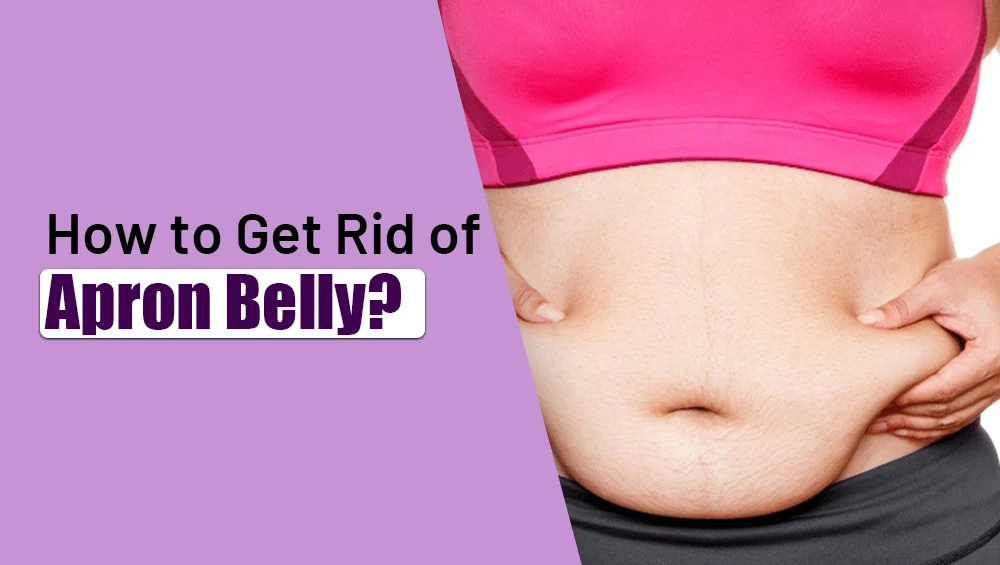
An apron belly, also called an abdominal pannus or panniculus, is a fold of excess skin and fatty tissue that hangs from the lower abdomen. It may develop after pregnancy, significant weight changes, aging, or long-term stretching of the abdominal skin.
If you are wondering how to get rid of an apron belly, the answer depends on what is creating the fold. If excess body fat is a major part of the problem, gradual weight loss may reduce its size. However, diet and exercise cannot reliably remove significant loose skin that has already stretched.
For a larger or persistent pannus, procedures such as panniculectomy or tummy tuck may be considered depending on whether the main concern is hanging skin, abdominal muscle separation, or overall body contour.
This guide explains what causes a pannus stomach, whether an apron belly can improve without surgery, which exercises may help, and when surgical treatment may be considered.
What Is a Pannus Stomach or Apron Belly?
A pannus stomach refers to excess skin and fatty tissue that hangs over the lower abdomen.
It can range from a small fold that becomes noticeable while sitting or bending to a larger overhang that extends over the pubic area or upper thighs.
Other commonly used terms include:
- Apron belly
- Pannus abdomen
- Pannus belly
- Abdominal panniculus
- Hanging belly
A pannus is not simply the same as ordinary belly fat. It may include both fatty tissue and stretched or loose skin.
What Does a Mild Pannus Stomach Look Like?
A mild pannus stomach may appear as a small fold of skin and fat over the lower abdomen.
It may be noticeable mainly when sitting, bending, or wearing fitted clothing.
A mild pannus may not significantly affect movement, but some people may experience:
- Sweating beneath the fold
- Skin irritation
- Chafing
- Difficulty keeping the area dry
- Discomfort with certain clothing
Whether a mild pannus improves without surgery depends on how much of the fold consists of fat and how much is loose skin.
What Causes an Apron Belly?
Several factors can contribute to the development of an apron belly.
1. Pregnancy
Pregnancy stretches the abdominal skin and tissues as the uterus grows.
After childbirth, the skin may gradually retract, but it does not always return completely to its previous position.
Pregnancy can also contribute to diastasis recti, where the abdominal muscles separate along the midline.
Multiple pregnancies may make loose lower-abdominal skin more noticeable.
2. Significant Weight Gain
Long-term weight gain can stretch the skin of the abdomen.
If the abdominal area remains enlarged for a prolonged period, the skin may lose some of its ability to contract.
3. Significant Weight Loss
After major weight loss, especially following obesity or bariatric surgery, excess skin may remain even after much of the underlying fat has been lost.
This can create a hanging lower-abdominal fold.
4. Aging
Skin naturally loses elasticity with age.
As collagen and elastin change over time, previously stretched abdominal skin may become less able to retract.
5. Genetics and Skin Elasticity
Genetics can influence:
- Where your body stores fat
- Skin thickness
- Skin elasticity
- How easily the skin stretches
- How well the skin contracts after weight loss or pregnancy
This is why two people with similar weight changes may have very different amounts of loose skin.
6. Previous Abdominal Surgery
Previous abdominal procedures may sometimes influence scar tissue, skin distribution, or abdominal contour.
The effect varies depending on the type of procedure and individual healing.
Can You Get Rid of an Apron Belly Without Surgery?
Sometimes an apron belly can become smaller without surgery, particularly when excess body fat is a major component.
Non-surgical measures may include:
- Gradual weight loss
- Regular physical activity
- Strength training
- A balanced diet
- Maintaining a stable body weight
However, these methods cannot reliably remove significant loose or stretched skin.
If the apron belly remains mainly because of excess skin after weight loss, exercise and diet alone may not completely eliminate it.
In that situation, surgery is the only method that physically removes the excess skin.
Can Weight Loss Reduce a Pannus?
Yes, if excess fat contributes to the pannus.
Losing overall body fat may reduce the size and weight of the abdominal fold.
A sustainable approach usually includes:
- Balanced nutrition
- Regular physical activity
- Resistance training
- Gradual weight reduction
- Long-term weight maintenance
However, weight loss cannot guarantee that stretched skin will tighten completely.
In some people, the pannus becomes smaller but loose skin remains.
This is especially common after:
- Major weight loss
- Multiple pregnancies
- Long-term obesity
- Significant abdominal stretching
Can Exercises Get Rid of an Apron Belly?
Exercise can improve overall fitness and help reduce body fat, but it cannot selectively burn fat only from the lower abdomen.
Similarly, exercise cannot remove excess loose skin.
Useful activities may include:
- Walking
- Cycling
- Swimming
- Full-body strength training
- Core-strengthening exercises
- Resistance training
Core exercises can strengthen the muscles underneath the abdomen and may improve posture and abdominal support.
Examples include:
- Modified planks
- Bird-dog exercises
- Glute bridges
- Dead bugs
- Controlled pelvic tilts
However, these exercises should not be expected to physically remove a hanging skin fold.
If you have had a recent pregnancy, abdominal surgery, or have suspected diastasis recti, it is sensible to discuss exercise with an appropriate healthcare professional before starting an intensive core routine.
Can Non-Surgical Skin Tightening Help?
Some non-surgical treatments use radiofrequency, ultrasound, or other energy-based technologies to improve mild skin laxity. These treatments may provide modest improvement in selected people with relatively minor loose skin.
However, they cannot remove a large abdominal pannus. Similarly, non-surgical fat-reduction treatments may reduce small areas of fat but do not remove significant hanging skin. For a large pannus, expectations from non-surgical treatments should remain realistic.
Can an Apron Belly Cause Health Problems?
A larger abdominal pannus can sometimes create practical or medical problems.
These may include:
- Recurrent skin irritation
- Chafing
- Moisture trapped beneath the fold
- Fungal or bacterial skin infections
- Difficulty maintaining hygiene
- Unpleasant odor
- Difficulty with physical activity
- Problems finding comfortable clothing
- Lower-abdominal discomfort
In some cases, the weight of the fold may also make movement more difficult.
Persistent rash, broken skin, pain, discharge, or signs of infection should be medically assessed.
What Is a Panniculectomy?
A panniculectomy is a surgical procedure used to remove excess hanging skin and fatty tissue from the lower abdomen.
It may be considered when a pannus causes:
- Recurrent rashes
- Hygiene problems
- Skin infections
- Friction
- Physical discomfort
- Difficulty with movement
A panniculectomy mainly focuses on removing the hanging tissue.
It does not usually tighten the abdominal muscles in the same way as a tummy tuck.
Can a Tummy Tuck Remove an Apron Belly?
Yes. A tummy tuck, also called abdominoplasty, can remove excess lower-abdominal skin and improve abdominal contour.
Depending on the individual's anatomy, the procedure may also involve tightening weakened or separated abdominal muscles.
A tummy tuck may be considered when someone has:
- Loose abdominal skin
- Lower-abdominal fullness
- Diastasis recti
- Changes after pregnancy
- Changes after major weight loss
- A combination of excess skin and muscle laxity
The most suitable procedure depends on what is creating the abdominal overhang.
Panniculectomy vs Tummy Tuck
Although both procedures can remove excess abdominal skin, they are not exactly the same.
Neither procedure is automatically better.
The choice depends on your anatomy, symptoms, medical history, and goals.
Is It Possible to Completely Get Rid of an Apron Belly?
It depends on the cause.
If the apron belly mainly consists of excess body fat, significant weight loss may reduce it substantially.
If the main problem is loose, stretched skin, weight loss and exercise may improve the surrounding body contour but may not completely remove the fold.
In cases of substantial excess skin, surgical removal may be required for a major physical change.
When Is Surgery Considered for an Apron Belly?
Surgery may be considered when:
- Weight has been relatively stable
- Significant excess skin remains
- The pannus causes recurrent irritation or infections
- Hygiene is difficult
- The abdominal fold limits activity
- Loose skin remains after major weight loss
- Pregnancy-related changes have stabilized
- The person understands the scars and recovery involved
A surgeon should also assess overall health and whether the timing of surgery is appropriate.
How Long Does Recovery Take?
Recovery after panniculectomy or tummy tuck varies depending on:
- The extent of surgery
- Whether muscle repair is performed
- Individual healing
- Overall health
- Whether additional procedures are combined
Early recovery generally takes several weeks.
During recovery, patients may have temporary restrictions on:
- Lifting
- Driving
- Exercise
- Work
- Strenuous physical activity
Swelling can take longer to settle, and the scar continues to change over several months.
Follow the personalized instructions provided by your surgeon rather than using a fixed recovery schedule from the internet.
Can an Apron Belly Come Back After Surgery?
Surgery removes existing excess skin and tissue, but future body changes can affect the result.
These may include:
- Significant weight gain
- Significant weight loss
- Pregnancy
- Aging
- Changes in skin elasticity
Maintaining a stable weight can help support the long-term result.
People planning future pregnancy may prefer to discuss timing with their surgeon before having major body-contouring surgery.
How Do You Keep a C-Section Incision Dry Under an Abdominal Fold?
If a pannus or abdominal fold covers a C-section incision, follow the wound-care advice given by your maternity team.
In general:
- Gently clean the area only as advised
- Pat the incision dry rather than rubbing it
- Gently lift the abdominal fold when needed to allow air to reach the area
- Wear loose clothing
- Choose breathable underwear
- Avoid unnecessary friction around the wound
Do not apply powders, creams, oils, or home remedies directly to the incision unless your healthcare team specifically recommends them.
Contact your maternity team or doctor if you notice:
- Increasing redness
- Warmth
- Swelling
- Worsening pain
- Pus or unusual discharge
- Unpleasant smell
- Fever
- The wound beginning to open
A C-section incision should be monitored carefully, particularly when moisture can collect under an abdominal fold.
Frequently Asked Questions About Apron Belly and Pannus
1. What is a pannus stomach?
A pannus stomach is a fold of excess skin and fatty tissue that hangs from the lower abdomen.
2. Is pannus belly the same as apron belly?
Yes. Apron belly is a commonly used term for an abdominal pannus or panniculus.
3. What causes an apron belly?
Common causes include pregnancy, significant weight gain, major weight loss, aging, genetics, and reduced skin elasticity.
4. Can you get rid of an apron belly without surgery?
It may become smaller with weight loss and exercise if excess fat is a major factor. Significant loose skin, however, usually cannot be completely removed without surgery.
5. Can weight loss remove a pannus?
Weight loss can reduce the fatty component of a pannus, but loose skin may remain.
6. What exercises help with apron belly?
Walking, resistance training, full-body exercise, and core-strengthening can improve fitness and body composition. Exercise cannot selectively remove loose skin.
7. Can apron belly skin tighten after weight loss?
Some skin may gradually retract, especially when laxity is mild, but significant stretched skin may remain.
8. What is a mild pannus stomach?
A mild pannus is a small lower-abdominal fold of skin and fat that may become most noticeable while sitting or bending.
9. Is pannus fat the same as normal belly fat?
Not exactly. A pannus may include both fatty tissue and loose, stretched skin.
10. Can a tummy tuck remove an apron belly?
Yes. A tummy tuck can remove excess abdominal skin and may also tighten abdominal muscles when appropriate.
11. What is the difference between panniculectomy and tummy tuck?
A panniculectomy primarily removes hanging abdominal skin and tissue. A tummy tuck also focuses on abdominal contour and may include muscle tightening.
12. Does panniculectomy tighten the abdominal muscles?
Usually not. Muscle tightening is more commonly associated with tummy tuck surgery.
13. When does apron belly need surgery?
Surgery may be considered when significant loose skin remains or when the pannus causes recurrent rashes, infections, hygiene difficulties, discomfort, or mobility problems.
14. Can apron belly cause rashes?
Yes. Moisture, heat, and friction beneath the fold can contribute to irritation and skin infections.
15. How do I keep a C-section incision dry under a belly fold?
Follow your maternity team's instructions, gently pat the incision dry, allow air to reach the area when possible, and seek medical advice if you notice redness, discharge, fever, or worsening pain.
Conclusion
An apron belly or pannus is a fold of excess skin and fatty tissue that hangs from the lower abdomen.
If excess body fat is a major contributor, gradual weight loss, regular exercise, and maintaining a stable weight may reduce its size. However, exercises cannot selectively remove lower-abdominal fat, and significant loose skin usually cannot be completely eliminated through diet or exercise.
For people with a large or persistent pannus, especially when it causes skin irritation, hygiene problems, discomfort, or difficulty with movement, surgical options such as panniculectomy or tummy tuck may be considered. The appropriate treatment depends on whether the main concern is excess fat, loose skin, abdominal muscle separation, or a combination of these factors.
If you are considering treatment for an apron belly, consultation with a qualified plastic surgeon such as Dr. Preeti Yadav can help you understand the most suitable options, expected results, scars, recovery, limitations, and possible risks.